
Moisture Mitigation & Vapor Barriers in the Twin Cities
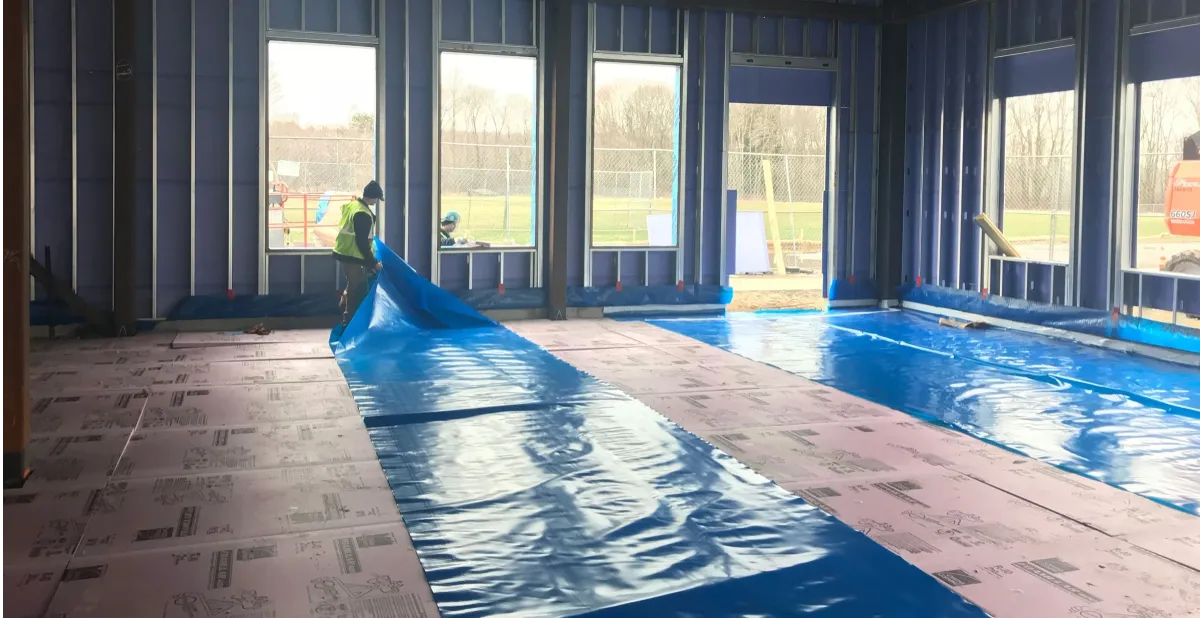
Basement slab pushing moisture? ATR tests moisture levels and installs vapor barriers that protect your flooring investment. The critical step most contractors skip.
What Is Moisture Mitigation?
Moisture mitigation is the process of testing, diagnosing, and controlling moisture vapor that migrates upward through concrete slabs. Every concrete slab — whether new or decades old — is porous. Water vapor from the soil beneath constantly pushes through the slab toward the surface.
When that moisture hits a coating, adhesive, or flooring material, it causes failure: peeling epoxy, warped hardwood, bubbling vinyl, and mold growth. Moisture mitigation stops this cycle by installing a vapor barrier that blocks the transmission before it reaches your finished floor.
ATR Concrete Technologies uses industry-standard ASTM testing methods and commercial-grade barrier systems to give you a permanent solution — not a temporary patch.
Why Moisture Mitigation Matters in the Twin Cities
The Minneapolis-St. Paul metro sits on some of the most moisture-prone soil in the Midwest. Understanding the local conditions explains why so many slabs here have moisture problems.
High Water Tables
The Twin Cities sit along the Mississippi, Minnesota, and St. Croix rivers. Seasonal water tables rise significantly during spring thaw and heavy rain, pushing moisture directly against basement slabs.
Clay-Heavy Soil
Minnesota's glacial soil is rich in clay, which holds water like a sponge. Clay soil doesn't drain — it traps moisture against your foundation and slab, creating constant hydrostatic pressure.
Freeze-Thaw Cycles
Harsh winters followed by spring thaw create dramatic moisture swings. As frost leaves the ground, trapped water saturates the soil and intensifies upward vapor drive through concrete.
Testing & Diagnosis
You can't fix what you can't measure. ATR starts every moisture mitigation project with quantitative testing — not guesswork.
Calcium Chloride Test (ASTM F1869)
Measures the moisture vapor emission rate (MVER) from the slab surface over 60-72 hours. This test tells us how much moisture is actively moving through the concrete. Results are measured in pounds per 1,000 sq. ft. per 24 hours.
Relative Humidity Test (ASTM F2170)
Probes are inserted into drilled holes at 40% slab depth to measure internal relative humidity. This is the most accurate test because it measures moisture deep within the slab — not just the surface. Most coating manufacturers require RH readings below 75-80%.
Vapor Barrier Installation Process
Every step is documented, every measurement recorded. ATR follows a methodical process to ensure your barrier performs for the life of the building.
Moisture Testing
We perform calcium-chloride (ASTM F1869) and relative-humidity (ASTM F2170) tests to quantify the moisture level in your slab.
Diagnosis & Plan
Based on test results, we determine the right mitigation system — topical barrier, penetrating sealer, or full vapor-barrier membrane.
Surface Preparation
The concrete is profiled using diamond grinding to ensure a clean, porous surface for maximum barrier adhesion.
Barrier Installation
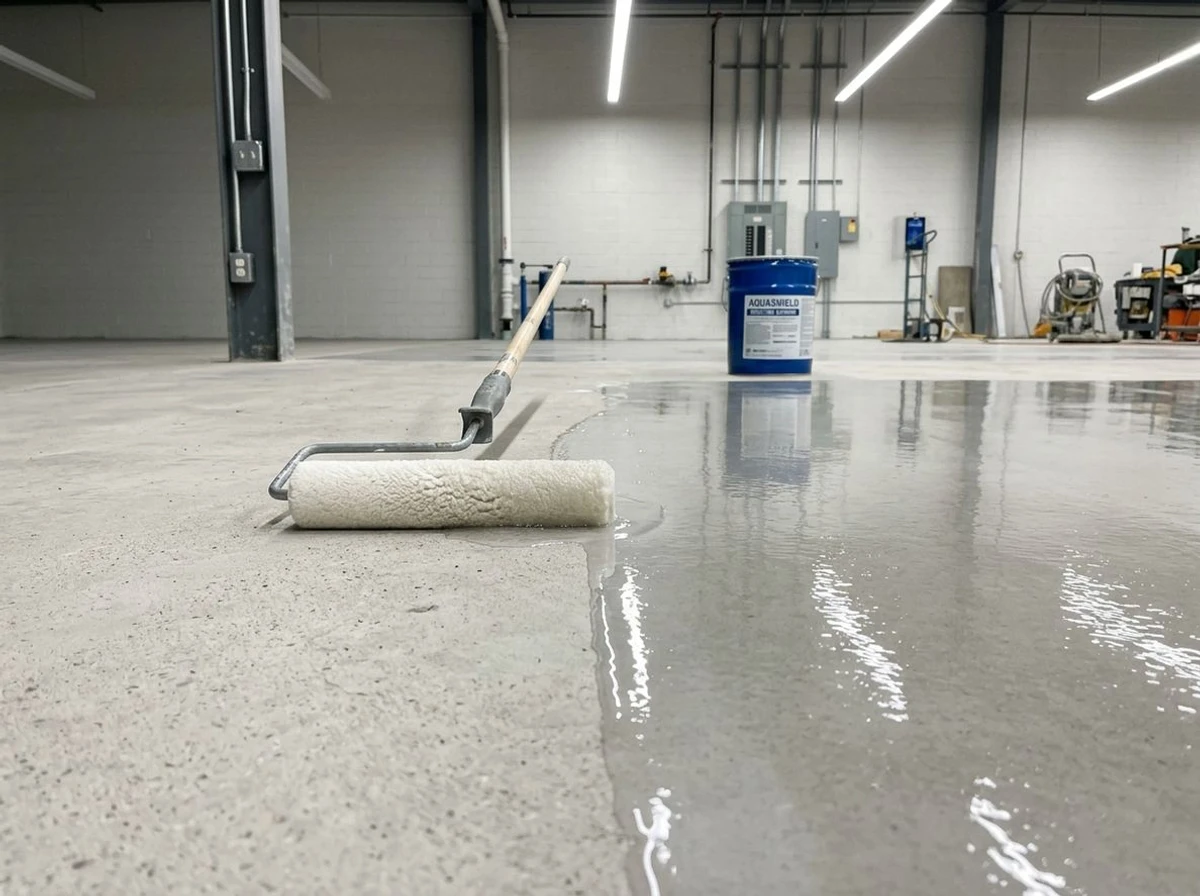
We apply the selected vapor-barrier system in strict accordance with manufacturer specs, ensuring full coverage and proper mil-thickness.
Verification & Handoff
Post-install moisture readings confirm the barrier is performing. We provide documentation and warranty details.
Applications
Moisture mitigation is essential anywhere a concrete slab meets a finished floor, coating, or adhesive-applied material.
Basements
Protect finished basements from moisture vapor that damages flooring, drywall, and stored belongings.
Garage Floors
Ensure epoxy and polyurea coatings bond properly by addressing sub-slab moisture first.
Commercial Spaces
Warehouses, retail floors, and office buildings with concrete slabs on grade need moisture control.
New Construction
Install vapor barriers during the build to prevent moisture issues before they start.
Signs You Need Moisture Mitigation
If you're seeing any of these warning signs, moisture vapor is likely compromising your slab. Don't install flooring or coatings until you test.
- Peeling or bubbling floor coatings
- White powdery deposits on concrete (efflorescence)
- Damp or musty odor in basement or garage
- Flooring adhesive failure or warping
- Visible condensation on the slab surface
- Mold or mildew growth near the floor line
- Carpet that stays damp or develops odor
- Concrete that darkens when wet and never fully dries
Free Moisture Test
Not sure if you have a moisture problem? ATR offers free on-site moisture assessments for Twin Cities homeowners and businesses. We'll test your slab and give you straight answers — no sales pressure.
Why ATR Concrete Technologies?
Moisture mitigation requires precision, the right materials, and experience. Here's why Twin Cities property owners trust ATR.
30+ Years Experience
Three decades of concrete restoration and moisture control across the Twin Cities metro.
Quantitative Testing
ASTM-standard testing with documented results — not guesswork or visual inspection.
Commercial-Grade Systems
We use the same barrier systems specified for hospitals, schools, and commercial buildings.
Fast Turnaround
Most residential projects are tested and mitigated within a week. Minimal disruption.
Frequently Asked Questions
Common signs include peeling paint or coatings, white mineral deposits (efflorescence) on the surface, damp or musty smell, and flooring adhesive failure. ATR performs quantitative calcium-chloride and relative-humidity testing to give you exact numbers rather than guesses.
A vapor barrier is a membrane installed on or below the concrete slab that blocks moisture vapor from migrating upward. It creates a physical barrier between the water table and your finished floor, protecting adhesives, coatings, and flooring materials from moisture damage.
Testing takes one visit. The barrier installation typically takes 1-2 days depending on the size of the area. Most residential basements are completed in a single day, and you can walk on the surface within hours.
In many cases, yes. If moisture levels exceed manufacturer thresholds, any coating or flooring installed over the slab will eventually fail. Moisture mitigation protects your investment and prevents costly re-dos.
ATR serves the entire Twin Cities metro area including Minneapolis, St. Paul, Bloomington, Eagan, Woodbury, Plymouth, Maple Grove, and surrounding communities. We handle both residential and commercial projects.
Costs depend on the size of the area, severity of moisture, and the mitigation system required. ATR provides free on-site estimates with testing included so you know exactly what you're dealing with before committing.
Protect Your Flooring Investment
Don't let hidden moisture destroy your new floors or coatings. ATR provides free moisture testing and professional vapor barrier installation across the Twin Cities.