ATR Concrete Technologies
Surface Preparation Services
in the Twin Cities
Old epoxy, adhesive residue, paint, and grease removed chemically — not with grinders that fill your home with dust. Proper prep before any coating or flooring installation.
What is Chemical Surface Preparation?
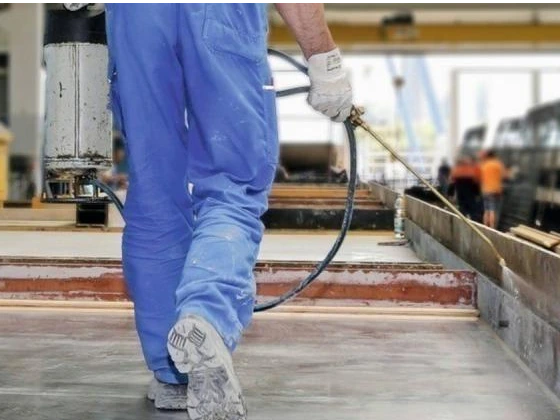
Chemical surface preparation uses biodegradable chemistry to strip old coatings, dissolve adhesives, extract oils, and clean concrete down to bare substrate — all without mechanical grinding.
This is the critical first step before installing any new coating, flooring, or overlay. If the surface isn't properly prepared, whatever goes on top will fail. Peeling epoxy, bubbling coatings, and delaminating tile are almost always caused by bad prep.
ATR's Clean Slate process creates the ideal Concrete Surface Profile (CSP) for coatings and adhesives to bond to — without the dust, noise, and damage caused by grinders and shot blasters.
Chemical vs. Mechanical: Why Chemistry Wins
Chemical Prep (ATR)
- Eliminates airborne silica dust — no silica exposure risk
- No noise — no disruption to neighbors or tenants
- Penetrates the pore structure for deep cleaning
- Won’t gouge, scar, or thin the slab
- Safe for occupied homes and businesses
- Biodegradable, non-toxic chemistry
- Creates ideal CSP for coating adhesion
Mechanical Grinding
- ×Creates hazardous silica dust throughout your space
- ×Extremely loud — disrupts work and neighbors
- ×Only removes surface material, not embedded contaminants
- ×Can gouge, scar, and thin the concrete slab
- ×Occupants must vacate during and after work
- ×Fine dust infiltrates HVAC and ductwork
- ×Uneven profiles common with operator error
What We Remove
Our Clean Slate chemistry handles virtually every type of coating, adhesive, and contaminant found on concrete surfaces.
Epoxy Coatings
Old, failed, or peeling epoxy removed chemically without grinding. The concrete underneath is left clean and profiled for recoating.
Paint & Sealers
Latex, acrylic, urethane, and solvent-based paints stripped from concrete surfaces. No sandblasting, no dust.
Adhesive Residue
Carpet glue, tile mastic, VCT adhesive, and construction adhesives dissolved and removed — leaving a clean bonding surface.
Oil & Grease
Motor oil, hydraulic fluid, cooking grease, and industrial lubricants extracted from the concrete pore structure.
Old Coatings & Overlays
Failed self-levelers, thin-set, and cementitious overlays removed down to solid substrate without damaging the slab.
Surface Prep Applications
Garage Floors
Remove old epoxy, oil stains, and paint before new coatings. The most common residential surface prep project.
Basement Floors
Strip old carpet glue, paint, or sealers before new flooring. Dust-controlled chemical prep is critical in below-grade spaces.
Warehouses
Industrial coating removal and floor prep without shutting down operations. Facility stays open during work.
Commercial
Retail, office, and institutional floor prep for new VCT, LVP, epoxy, or polished concrete finishes.
The Clean Slate Surface Prep Process
Five proven steps from contaminated slab to coating-ready surface.
Surface Assessment
We identify every contaminant, coating layer, and adhesive on your slab. Moisture testing and adhesion testing determine the right chemistry and approach.
Chemical Application
Our biodegradable Clean Slate chemistry is applied to dissolve coatings, adhesives, oils, and contaminants. No grinders, no shot blasters, no silica dust.
Contaminant Removal
Dissolved materials are extracted from the slab. The chemistry pulls contaminants from deep within the concrete pore structure — not just the surface.
Surface Profiling
The chemical process opens the concrete’s pore structure and creates an ideal CSP (Concrete Surface Profile) for whatever coating or flooring comes next.
Verification & Handoff
We verify the surface is clean, dry, and properly profiled. Moisture readings and adhesion tests confirm the slab is ready for your installer or coating contractor.
Why Prep Matters for Coatings
The #1 reason floor coatings fail is bad surface preparation. Not bad product. Not bad installation. Bad prep. When the concrete surface has oil embedded in its pores, adhesive residue on the surface, or a failed sealer blocking adhesion, no coating will bond properly.
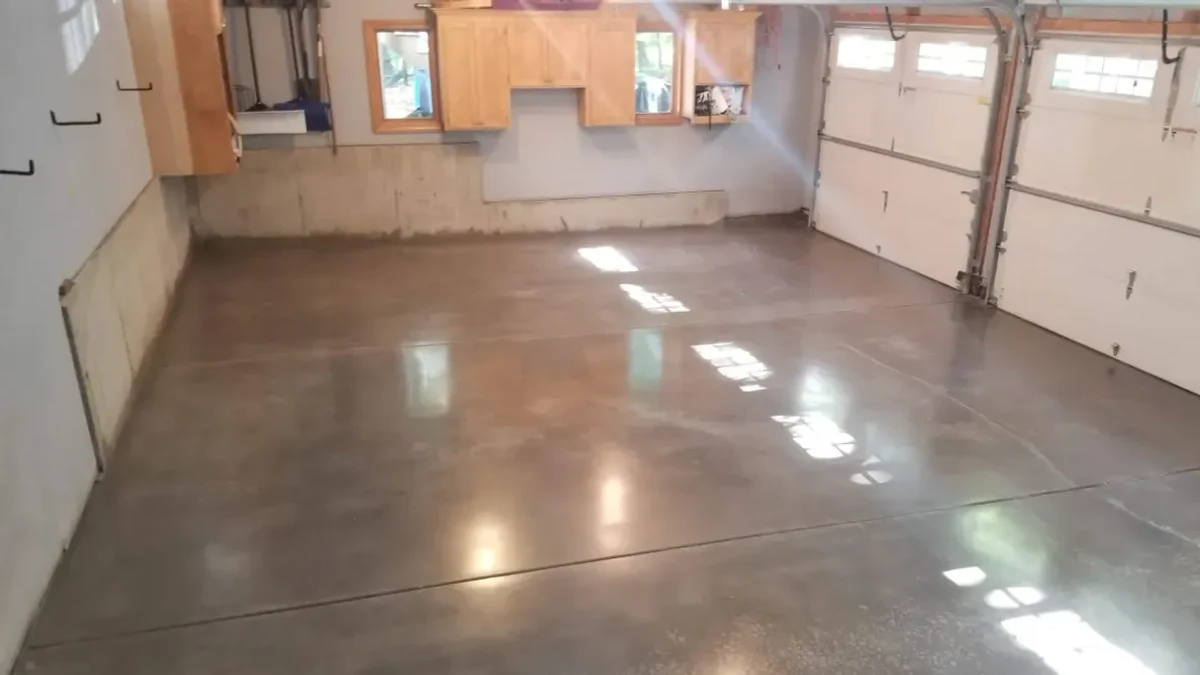
Proper chemical surface preparation creates a clean, open-pored concrete surface with the correct profile (CSP 2–3 for most coatings). The result is a coating that bonds at full strength and lasts for years instead of peeling within months.
Signs Your Floor Wasn't Prepped Right
- Epoxy peeling or bubbling within the first year
- Coating lifting at edges and near joints
- White haze or blushing under clear coats
- Coating won’t adhere in certain spots (oil contamination)
- New flooring tiles or LVP popping loose
Why Choose ATR Concrete Technologies
30+ Years
Three decades of concrete surface preparation experience across the Twin Cities.
Woman-Owned
100% woman-owned, family-operated. Direct owner involvement on every project.
Dust-Controlled
Chemistry-first process eliminates airborne silica dust caused by traditional grinding and shot blasting.
Coating-Ready
Surfaces prepped to manufacturer specs. Your coating contractor will thank you.
Surface Preparation FAQ
Mechanical grinders create silica dust that infiltrates your HVAC system, settles on every surface, and poses serious respiratory hazards. Our chemical process eliminates airborne silica dust, minimizes noise disruption, and removes the risk of gouging or damaging the slab.
Most residential projects (garages, basements) are completed in a single day. Commercial projects vary by square footage and the number of coating layers to remove. We provide a timeline during your free assessment.
Yes. Our Clean Slate chemistry is biodegradable and rated for occupied spaces. No harsh fumes, no toxic residue, no need to vacate. These are the same products used in hospitals and senior living facilities.
Absolutely. We regularly strip multiple layers — epoxy over paint over adhesive, for example. The chemistry dissolves each layer sequentially without damaging the concrete substrate underneath.
Chemical prep is one of the best ways to prepare concrete for new epoxy, polyurea, or polyaspartic coatings. The chemistry creates the ideal surface profile (CSP 2–3) that these coatings require for proper adhesion.
ATR serves 16 communities across the Twin Cities metro from our headquarters in Fridley, MN. We cover Minneapolis, St. Paul, Bloomington, and 13 surrounding communities. Call (651) 463-1250 to schedule your free assessment.
Need Your Concrete Prepped Right?
Get a free, on-site assessment. We'll identify every coating, contaminant, and adhesive on your slab and provide a clear plan to get it coating-ready. Dust-controlled. Same-day.
Free estimate. No pressure. Serving 16 Twin Cities communities.